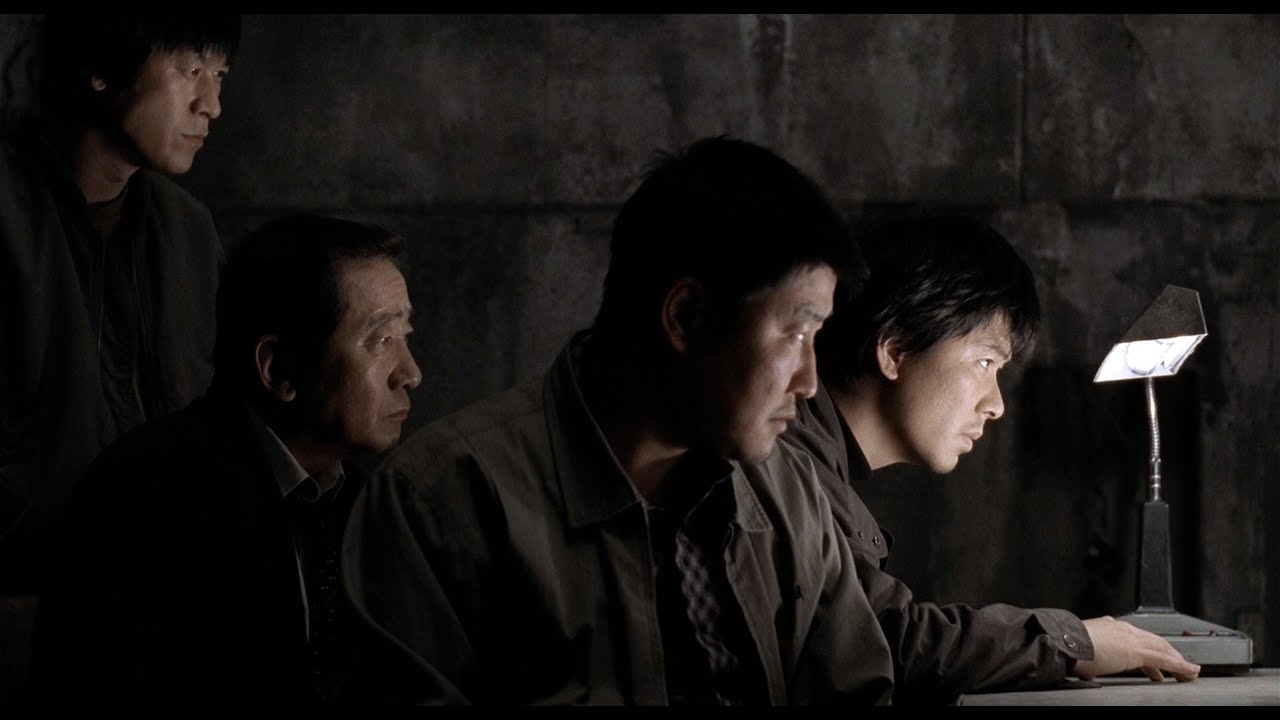
A man is going home in a
cycle-rickshaw. The rickshaw pulls to a stop and the driver joins the man in
his apartment. After some time, two other men enter the building, slowly and
hesitatingly, one egging the other one on. No sooner do they break inside the
apartment, the sounds of screams and whacking pierce the cold, dark night.
This is the opening scene
of Aligarh, and while this may seem like any other ordinary scene, it is not.
We don’t see what goes on inside the rooms of the said apartment, we only hear
the proceedings and see signs of activity from outside the building, like a
cheeky passer-by or neighbour, looking up at the window and trying to decipher
the goings-on inside.
This is the central event
around which the film revolves- that of a university professor being walked in
on during a strictly private moment. The depiction of this scene from the
perspective of an onlooker far away from where the main action is taking place
is deliberate and a stroke of genius, visually telling us the nature of the
content of the scene- a gross violation of something that should have remained
private and personal.
Aligarh is about a
professor Dr. Siras, who after being filmed during a homosexual act, is
suspended from the university he teaches at and is slapped with charges of
homosexuality and of tainting the university’s reputation. In comes a young,
enthusiastic journalist named Dipu who befriends the professor. He slowly draws
the professor out from his cocoon until the latter confides in him.Throughout
the film, we see shots of Siras peeking from behind closed curtains and dark
windows- the perfect metaphor for someone who lives life cowering in fear, and
who can never come out of the closet. The scene in which Siras is implicated,
stripped and filmed is later shown to us again, once from the perspective of a
camera that is part of the sting operation and once from the perspective of the
professor himself. During both times, there is strong tone of voyeurism, of
showing us something that should not have been seen.


Homosexuality may be the
theme which one would associate with the film, but it is the theme about the
right to privacy which stands out the most all the while without downplaying
the humiliating ostracism faced by homosexuals in our society. While their
sexuality is central to their brutal treatment by others, the film refrains
from reducing them to their sexual orientation alone.
When Siras is interviewed
by Dipu about the night in question, he describes how he is an outsider, a
professor of Marathi among people who speak Urdu. He then goes on to talk about
poetry and rues about how little people engage with it today. He composes
poems in Marathi, has several books to his credit which have seen little
circulation and is self-deprecating about his spoken English skills, yet
perfectly translates his own poems into English. We see him caged in his
apartment, wrapped in a long shawl softly mumbling a song by Lata Mangeshkar,
as he sighs in melancholy. He is a person very much among us and a part of us.
His rejection from society
is shown right from his dismissal by a physician when he goes to see the
latter, to his removal from his rented quarters, not once but twice. The poor
Muslim cycle-rickshaw driver Irfan, who was with him during the fated night, is
hardly brought up again, except when Dipu goes looking for him. We hear he has
disappeared after being mercilessly beaten up by the cops. Again, giving him
very little attention in the narrative must be deliberate. Irfan is a person
from one of the most marginalized sections of society, who completely slips
from under the radar and barely registers on the film’s universe- just the way
it is in real life.
Even after being cleared
of charges that the university had accused him of in court, we see that it
means very little to Siras. What good will winning a case do to a person who
has been rejected by everyone around him, even his family, and forced into a
life of loneliness and dejection? Of what use is the apartment that is returned
to him a day after he takes his own life, when he has been deprived of respect
and dignity all this time?
We not only see Siras’s
descent into despair, but also see Dipu getting affected by it and
internalizing a deep sense of discomfort. He complains angrily when he finds
one of the women he is staying with as a paying guest in his room tutoring kids
without his permission. He loses his temper even at the slightest hint of the
invasion of his privacy, thus making us think about what Siras must have gone
through. There is a sense of being watched and eavesdropped which pervades the
film and which Dipu betrays in a scene where he keeps checking his back as he
leans in for a kiss in a secluded location, with no signs of anybody around.
The closing scene ends on the same note- with Siras squinting, straining his
ears as he sits on his bed and asks if anybody’s there, before the screen turns
black.
The writing is vivid. The
direction succeeds in showing the increasing suffocation and paranoia faced by
Siras. Rajkumar Rao is wonderful, but it is Manoj Bajpayee who takes the cake
and breathes life into the professor, a man pushed to the brink of society. His
performance is both moving and hard-hitting. Aligarh is an important film
that deserves a larger audience, but will unfortunately be relegated to the
viewing lists of a few.
First published here: http://theindianeconomist.com/aligarh-film-privacy-homosexuality-isolation/
Image Courtesy: The Indian
Express